bestpractices

Top Cyber Threats Facing Law Enforcement Agencies

(And What CJIS-Compliant Organizations Must Do About Them)

Cyber threats targeting law enforcement agencies continue to increase in both scale and sophistication, driven by ransomware evolution, credential theft, and nation-state activity.

Recent federal cybersecurity advisories confirm that ransomware actors are actively exploiting vulnerabilities across organizations worldwide, including government systems.

For organizations responsible for CJIS compliance in Florida, these threats directly impact:

  • CJIS audit outcomes
  • Operational continuity
  • Access to critical systems like NCIC and FCIC

Why Law Enforcement Remains a High-Value Target

Law enforcement environments include:

  • Always-on systems (CAD, RMS, dispatch)
  • Sensitive criminal justice data (CJI)
  • Federally connected systems (CJIS, NCIC, fusion centers)

Attackers target these systems because disruption and data exposure have immediate operational consequences.

Recent federal enforcement actions highlight that ransomware groups continue targeting critical infrastructure and government systems, posing ongoing risks to public safety.


Top Cyber Threats Facing Law Enforcement Agencies

1. Ransomware Attacks and Extortion

Ransomware remains the most critical threat to CJIS-regulated environments.

  • Modern ransomware includes data theft + encryption (double extortion)
  • Threat actors exploit unpatched systems and weak credentials
  • Attacks target public safety and government infrastructure

Federal advisories show ransomware campaigns impacting organizations across 70+ countries using known vulnerabilities.

Real-world example:
The U.S. Department of Justice coordinated a global disruption of the BlackSuit (Royal) ransomware group, which had targeted critical infrastructure and generated millions in illicit proceeds.

CJIS Impact:

  • System encryption and downtime
  • Data exfiltration
  • Immediate compliance violations

2. Credential Theft and Identity-Based Attacks

Credential-based attacks are now a primary intrusion method.

Attackers use:

  • Phishing and spear phishing
  • Infostealer malware
  • Credential replay and MFA bypass

These techniques allow attackers to operate using valid credentials, making detection more difficult.

CJIS Impact:

  • Unauthorized CJIS access
  • Violations of access control requirements
  • Increased audit risk

3. Malware-as-a-Service and Infostealers

Cybercrime has become highly scalable.

  • Malware platforms enable repeated attacks across many victims
  • Infostealers harvest credentials silently
  • Attack infrastructure is reused across campaigns

Law enforcement operations have disrupted malware ecosystems, but reports show these networks quickly re-form after takedowns.

CJIS Impact:

  • Silent data exfiltration
  • Long dwell times before detection
  • Compromised CJIS-connected endpoints

4. Supply Chain and Vendor Risk

Third-party vendors remain a critical vulnerability.

Law enforcement depends on:

  • CAD/RMS vendors
  • Cloud platforms
  • Managed service providers

Recent enforcement actions demonstrate how ransomware groups target critical infrastructure sectors through interconnected systems.

CJIS Compliance Note:
Agencies are still responsible under the CJIS Security Addendum, even when a vendor is compromised.

CJIS Impact:

  • Vendor breach = agency liability
  • Increased audit scrutiny
  • Potential non-compliance findings

5. AI-Accelerated Cyberattacks

Attackers are increasingly leveraging automation and advanced tooling.

Federal cybersecurity efforts emphasize the need for continuous monitoring and rapid detection as threats evolve.

This shift increases:

  • Attack speed
  • Volume of phishing and malware campaigns
  • Difficulty of detection

CJIS Impact:

  • Faster compromise timelines
  • Greater reliance on real-time monitoring
  • Increased risk of undetected breaches

6. Operational Disruption and System Downtime

Cyberattacks are increasingly focused on availability and disruption.

Targets include:

  • Dispatch systems
  • Records management systems
  • Law enforcement IT infrastructure
  • Email Systems

Ransomware campaigns are specifically designed to halt operations and force rapid response decisions.

CJIS Impact:

  • Violations of availability requirements
  • Public safety consequences
  • Immediate compliance exposure

The CJIS Compliance Connection

Each of these threats directly maps to CJIS Security Policy requirements:

CJIS mandates:

  • Continuous monitoring and logging
  • Incident response capability
  • Strong authentication and access control
  • Vendor risk management

Organizations pursuing CJIS compliance in Florida must implement these controls or risk:

  • CJIS audit failures
  • Loss of CJIS system access
  • Legal and operational consequences

Why a CJIS MSSP is Critical

A CJIS MSSP (Managed Security Services Provider) helps agencies:

  • Monitor systems 24/7
  • Detect and respond to threats quickly
  • Maintain continuous CJIS compliance

This is especially critical for agencies without dedicated internal security teams.


How Rolle IT Cybersecurity Supports CJIS Compliance

Rolle IT Cybersecurity is a trusted CJIS MSSP supporting agencies and contractors across Florida. Contact Rolle IT Cybersecurity for more information [email protected] 321-872-7576

Core Services:

  • 24/7 SOC monitoring and threat detection
  • CJIS-compliant incident response planning
  • Endpoint protection (CrowdStrike-powered)
  • Vulnerability management and hardening
  • CJIS audit help and remediation

Outcomes:

  • Maintain uninterrupted CJIS access
  • Reduce risk of cyber incidents
  • Pass CJIS audits with confidence
  • Strengthen operational resilience

Final Takeaway

The most significant cyber threats facing law enforcement today include:

  • Ransomware and extortion attacks
  • Credential theft and identity compromise
  • Malware and infostealer ecosystems
  • Supply chain vulnerabilities
  • Rapidly evolving attack methods

For organizations handling CJI, cybersecurity is inseparable from compliance.

Agencies that adopt proactive, CJIS-aligned cybersecurity strategies especially with a qualified CJIS MSSP are best positioned to:

  • Protect sensitive data
  • Maintain operations
  • Achieve CJIS compliance in Florida

FAQ

What is CJIS compliance in Florida?

CJIS compliance in Florida means adhering to the FBI CJIS Security Policy as enforced by FDLE, including requirements for access control, encryption, incident response, and auditing.


What are the biggest cybersecurity threats to law enforcement?

The top threats include ransomware, credential theft, phishing, malware infections, and supply chain attacks targeting sensitive law enforcement systems.


What is a CJIS MSSP?

A CJIS MSSP is a managed security provider that delivers monitoring, detection, and incident response services aligned with CJIS requirements.


What happens if you fail a CJIS audit?

Failure can result in corrective actions, increased oversight, or loss of access to CJIS systems such as NCIC or FCIC.


How can agencies prepare for a CJIS audit?

Preparation includes implementing monitoring, incident response plans, access controls, documentation, and working with a CJIS MSSP. Contact Rolle IT Cybersecurity for more information [email protected] 321-872-7576


Why is incident response critical for CJIS compliance?

Incident response ensures agencies can detect, contain, and report breaches involving CJI, which is a core CJIS requirement.


Sources

Top Cyber Threats Facing Law Enforcement Agencies Read More »

Best Practices for Implementing Microsoft GCC High

A Guide for Defense Contractors

Executive Summary

Organizations that handle sensitive government information are increasingly required to meet stringent cybersecurity and compliance standards while maintaining operational efficiency. Microsoft Government Community Cloud High, known as GCC High, is designed to support these requirements by providing a secure, sovereign cloud environment for United States government agencies and authorized contractors. Rolle IT helps appropriate organizations procure and deploy GCC High environments.

Successful implementation of GCC High requires more than technical migration. It demands a structured approach that integrates compliance frameworks such as NIST SP 800-171 and CMMC, strong identity and access controls, secure configuration standards, and continuous monitoring. This document outlines best practices to help organizations deploy GCC High in a manner that is secure, compliant, and sustainable.

By following these practices, organizations can reduce risk, maintain audit readiness, and enable secure collaboration for users handling Controlled Unclassified Information and Federal Contract Information.


Understanding GCC High and Its Purpose

Microsoft GCC High is a sovereign cloud environment built specifically for United States government agencies and authorized contractors. It supports compliance with frameworks and regulations such as DFARS, CMMC, NIST SP 800-171, ITAR, CJIS, and HIPAA. The environment features segregated infrastructure, enhanced access controls, and United States-based data residency.

Due to its elevated security posture, GCC High deployments require deliberate design decisions to ensure both compliance and usability.


Conduct a Compliance-Driven Readiness Assessment

Prior to implementation, organizations should perform a readiness assessment focused on compliance and risk.

Key areas to evaluate include data classification, regulatory obligations, and the current technical environment. This includes identifying where Controlled Unclassified Information and Federal Contract Information reside, determining which compliance frameworks apply, and reviewing identity, endpoint, and network security controls already in place.

This assessment provides the foundation for a GCC High architecture aligned with both security and business requirements.


Establish Strong Identity and Access Controls

Identity is the cornerstone of a secure GCC High environment. Organizations should implement Azure Active Directory Conditional Access policies to enforce access based on user risk, device compliance, and contextual factors. Multi-factor authentication should be enabled for all users without exception.

Privileged access should be tightly controlled using role-based access control and Privileged Identity Management. Administrative roles should be segmented to reduce the risk of unauthorized access and insider threats.


Apply Secure Configuration and Hardening Standards

Although GCC High includes enhanced default protections, additional hardening is essential.

Organizations should apply Microsoft-recommended security baselines for GCC High workloads and adopt Zero Trust principles that continuously verify user identity, device health, and application context. Endpoint security should be enforced using tools such as Microsoft Defender for Endpoint and Intune to ensure devices accessing GCC High resources meet compliance requirements.

Implementing secure configurations early helps avoid operational disruptions and costly remediation later.


Plan and Sequence Workload Migrations Carefully

Not all workloads are immediately suitable for GCC High. Organizations should define a phased migration strategy that prioritizes critical services such as email, collaboration tools, and document management systems.

Dependencies on third-party applications should be reviewed carefully, as some vendors may not support GCC High environments without modification. Custom applications may require redesign or reconfiguration to integrate securely.

A phased approach reduces risk and minimizes disruption to business operations.


Implement Robust Data Governance Controls

Data governance is essential for maintaining compliance and protecting sensitive information.

Organizations should use sensitivity labels to identify and protect Controlled Unclassified Information, enforce retention and deletion policies, and ensure encryption is applied appropriately. Legal hold, eDiscovery, and audit capabilities should be validated prior to production use.

Effective data governance supports both regulatory compliance and operational accountability.


Validate the Environment Through Testing

Before full production deployment, organizations should conduct thorough testing using real-world scenarios.

This includes piloting GCC High access with select user groups, validating collaboration workflows, and testing security controls. Threat simulations and tabletop exercises help verify incident response procedures and monitoring effectiveness.

Testing ensures the environment performs as expected and supports secure day-to-day operations.


Provide Training for Users and Administrators

Security controls are only effective when users and administrators understand how to operate within them.

End users should receive training on secure collaboration, phishing awareness, and multi-factor authentication usage. Administrators should receive advanced training on identity governance, security monitoring, and compliance management.

Clear documentation and operational playbooks should be developed to support onboarding, incident response, and audits.


Operationalize Continuous Monitoring and Threat Detection

GCC High provides extensive logging and telemetry, but organizations must actively monitor and respond to security events.

Security operations should include continuous monitoring through Microsoft Defender and Microsoft Sentinel, real-time alerting for suspicious activity, and routine reviews of access and configuration changes.

Ongoing monitoring ensures threats are identified and addressed before they impact sensitive systems.


Maintain Continuous Compliance Posture

Compliance is not a one-time effort. Organizations should regularly assess their control posture against applicable frameworks such as NIST SP 800-171 and CMMC.

Compliance dashboards, control mappings, and periodic reviews help maintain audit readiness and identify gaps early. Policies and configurations should be updated as regulations and threat landscapes evolve.


Engage Experienced GCC High Security Partners

Implementing and operating GCC High requires expertise across cloud architecture, cybersecurity, and regulatory compliance. Many organizations benefit from working with partners experienced in securing government and defense workloads.

Rolle IT Cybersecurity supports government agencies and federal contractors by delivering GCC High readiness assessments, secure architecture design, workload migration, and continuous security monitoring aligned with federal compliance requirements.


Microsoft GCCH Deployment

Microsoft GCC High provides a powerful platform for protecting sensitive government data, but its effectiveness depends on thoughtful implementation and disciplined operations. By following structured best practices across identity, security configuration, governance, and monitoring, organizations can achieve compliance while enabling secure, modern collaboration.

For organizations seeking to implement or optimize GCC High, Rolle IT Cybersecurity offers the expertise and operational support required to secure mission-critical environments.

[email protected] 321-872-7576

Best Practices for Implementing Microsoft GCC High Read More »

Supporting Law Enforcement Through a CJIS Compliance Audit

How Cybersecurity and IT Professionals Work Together to Ensure Security, Accuracy, and Trust

For law enforcement agencies, maintaining Criminal Justice Information Services (CJIS) compliance is more than a regulatory requirement. It is a responsibility that protects sensitive information, supports officer safety, and upholds public trust. When a department undergoes a CJIS audit, the process can feel overwhelming without the right technical expertise and documentation in place.

Recently, our team had the opportunity to assist a law enforcement department as they prepared for a full CJIS compliance audit. Cybersecurity professionals, CISSP-certified analysts, system administrators, and our managed security services staff worked hand in hand with the agency’s LASO (Local Agency Security Officer) and leadership team. Together, we created a smooth, structured, and successful audit experience.

Preparing for an Audit Requires a Unified Effort

CJIS compliance touches every aspect of an agency’s digital operations. From access controls to encryption, from physical security to personnel training, no single person can manage it alone. Our approach brought together:

• CISSP-certified cybersecurity professionals
to interpret policy language, ensure proper security controls, and validate alignment with CJIS Security Policy requirements.

• System administrators
to verify server configurations, review group policies, validate password controls, and document how systems enforce compliance.

• Managed security services teams
to provide logs, monitoring data, alert histories, vulnerability scans, and incident response documentation that auditors expect to see.

By bringing these roles together, we ensured that the LASO was fully supported through every stage of preparation.

Strengthening Documentation and Evidence

For many agencies, documentation is the most challenging part of a CJIS audit. We worked closely with leadership to gather, organize, and prepare:

  • Access control and personnel authorization records
  • Background check confirmations
  • Network diagrams and security architecture documentation
  • MFA and encryption configurations
  • Incident response and disaster recovery procedures
  • Security training acknowledgments
  • Vendor and contractor compliance evidence

With clear, complete documentation, the agency entered the audit confident and ready.

Walking Leadership Through Technical Configurations

Auditors often require demonstrations of system settings, logs, and controls. Our technical teams walked the LASO and command staff through each item, explaining:

  • How log retention requirements were met
  • How intrusion detection and SIEM systems were monitored
  • How permissions were assigned and reviewed
  • How device security and patch management were enforced
  • How CJIS-compliant tools (such as MFA, TLS, and encryption standards) were configured

This collaborative review ensured leadership understood not only what was in place, but why it mattered.

Partnering With State Auditors, Not Pushing Against Them

A successful CJIS audit is not adversarial. It is a partnership that ensures agencies can securely access and protect criminal justice information. Throughout the audit, we worked directly with the state auditing team to:

  • Provide documentation and technical evidence
  • Answer configuration and policy questions
  • Clarify security procedures
  • Resolve discrepancies in real time

This cooperative, transparent approach helped build trust among auditors and reinforced the agency’s commitment to maintaining a high standard of security.

Empowering Law Enforcement Agencies With Confidence

At the end of the process, the agency not only passed its audit but gained a deeper understanding of its systems, its safeguards, and its responsibilities under CJIS policy. For our team, the success was more than compliance. It was about supporting the people who protect our communities.

Whether a department is preparing for an audit, addressing gaps, or building a long-term cybersecurity strategy, having an experienced partner makes all the difference. Rolle IT is proud to stand beside law enforcement agencies, ensuring they have the tools, expertise, and confidence needed to meet CJIS requirements with excellence.

Supporting Law Enforcement Through a CJIS Compliance Audit Read More »

Not Just Talking CMMC — Leading Efforts

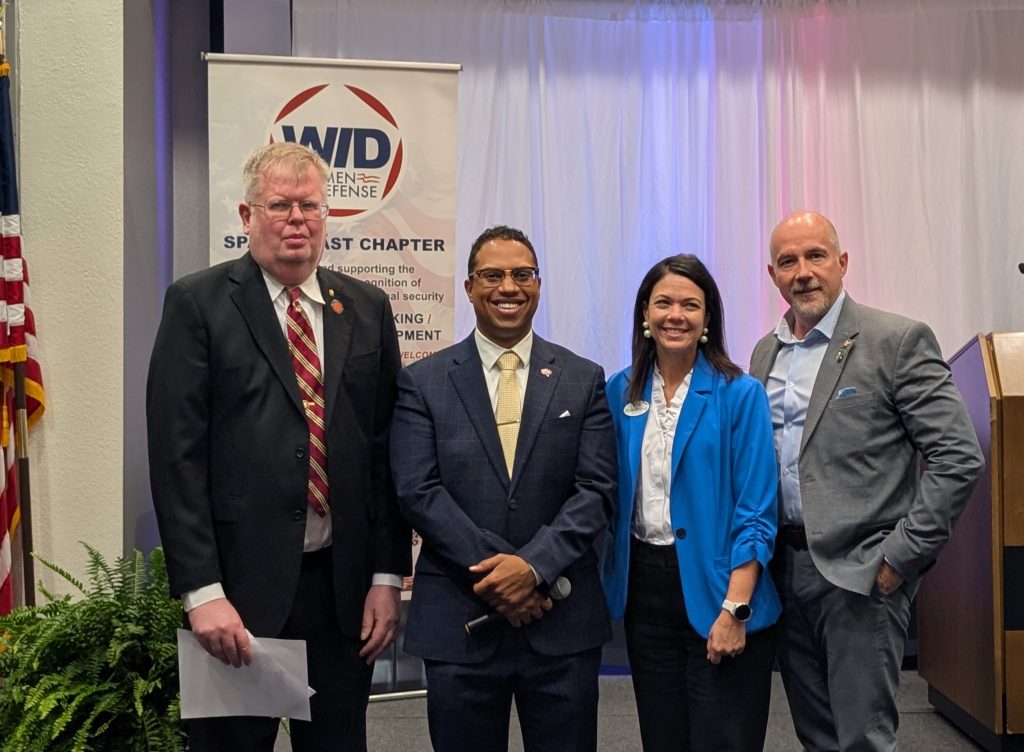
🎙️ Cordell Rolle Speaks at Space Coast Women In Defense Annual Awards Panel: CMMC, AI, and How to Stay Smart and Secure

At the Women In Defense Space Coast (WIDSC) Annual Awards Event, Rolle IT’s CEO Cordell Rolle joined an expert panel of cybersecurity and compliance leaders to unpack the evolving challenges of CMMC (Cybersecurity Maturity Model Certification) and Artificial Intelligence (AI). The panel brought together perspectives from across the industry and was expertly moderated by David Bragg from the University of Florida.

Cordell spoke alongside:

  • Reagan Edens, Chief Technologist and Founder at DTC Global
  • Elizabeth Huy, VP of Business Operations at Alluvionic
  • David Bragg, Moderator and Cybersecurity Programs Director, University of Florida

Together, they tackled some of the most urgent and nuanced topics facing the defense industrial base and government contractors today.


🔐 CMMC: Building a Culture of Compliance, Not Just Checking Boxes

The panel opened by reinforcing the mission behind CMMC:

“CMMC isn’t a hurdle — it’s a shield. It’s how we protect our nation’s supply chain, intellectual property, and the future of our industrial base.”

The panel addressed real-world concerns many small and mid-sized contractors face:

  • Confusion around what level of CMMC is required for subcontractors
  • Cost implications of CMMC Compliance and Assessments- which should have already been factored into contract prices
  • Companies looking to “just get compliant” without understanding the risk landscape

Cordell emphasized education and empowerment, not fear-mongering:

“We can’t just talk about compliance as a cost. It’s a capability. It tells our partners we’re ready, responsible, and reliable.”


🤖 AI & Compliance: Smart Technology Needs Smarter Boundaries

The conversation then shifted to Artificial Intelligence — one of the most anticipated and complicated topics of the evening.

Cordell discussed how AI can be a powerful force multiplier in cybersecurity, automating detection, correlation, and even response in ways humans can’t match. But he also cautioned against blind adoption:

“You can’t use just any AI tool in a compliant environment. You need to know exactly where your data is going — and who owns it once it leaves your network.”

One key insight from Cordell: Using AI within your controlled environment — not as an external, public tool — may be the only way to remain compliant under frameworks like CMMC, NIST 800-171, and DFARS.

He challenged companies to ask:

  • Is the AI processing data locally or in the cloud?
  • Is the model trained on your proprietary information — and if so, how is it secured?
  • Can you control retention, deletion, and auditability?
  • Who has access to your prompts, responses, and metadata?
  • How are permissions set for access to information within your environment?

“AI isn’t the enemy — it’s your responsibility. If you can’t explain where your information is going, then you’re not compliant. And you’re definitely not secure.”


🧠 Key Takeaways from the Panel

This year’s WIDSC event brought together government leaders, defense tech innovators, women in STEM, and cybersecurity trailblazers. Cordell’s message was clear:

CMMC compliance is achievable — if you start early and build smart habits
AI should be internalized, audited, and tested before use in sensitive environments
Zero trust applies to software too — especially those with autonomous learning
Education is the strongest defense — and free, public guidance must continue


💬 The Bigger Picture: Rolle IT Leads With Purpose

Cordell Rolle’s panel appearance reflects a broader principle at Rolle IT: We don’t just offer cybersecurity solutions — we help shape the cybersecurity conversation.

From supporting small DIB contractors to contributing on non-sponsored expert panels, Rolle IT shows up where it counts — with practical advice, not a sales pitch.

To learn more about how we support compliant AI adoption, CMMC readiness, and cyber risk reduction, visit us at https://rolleit.com.

Not Just Talking CMMC — Leading Efforts Read More »

End of Support for Windows 10

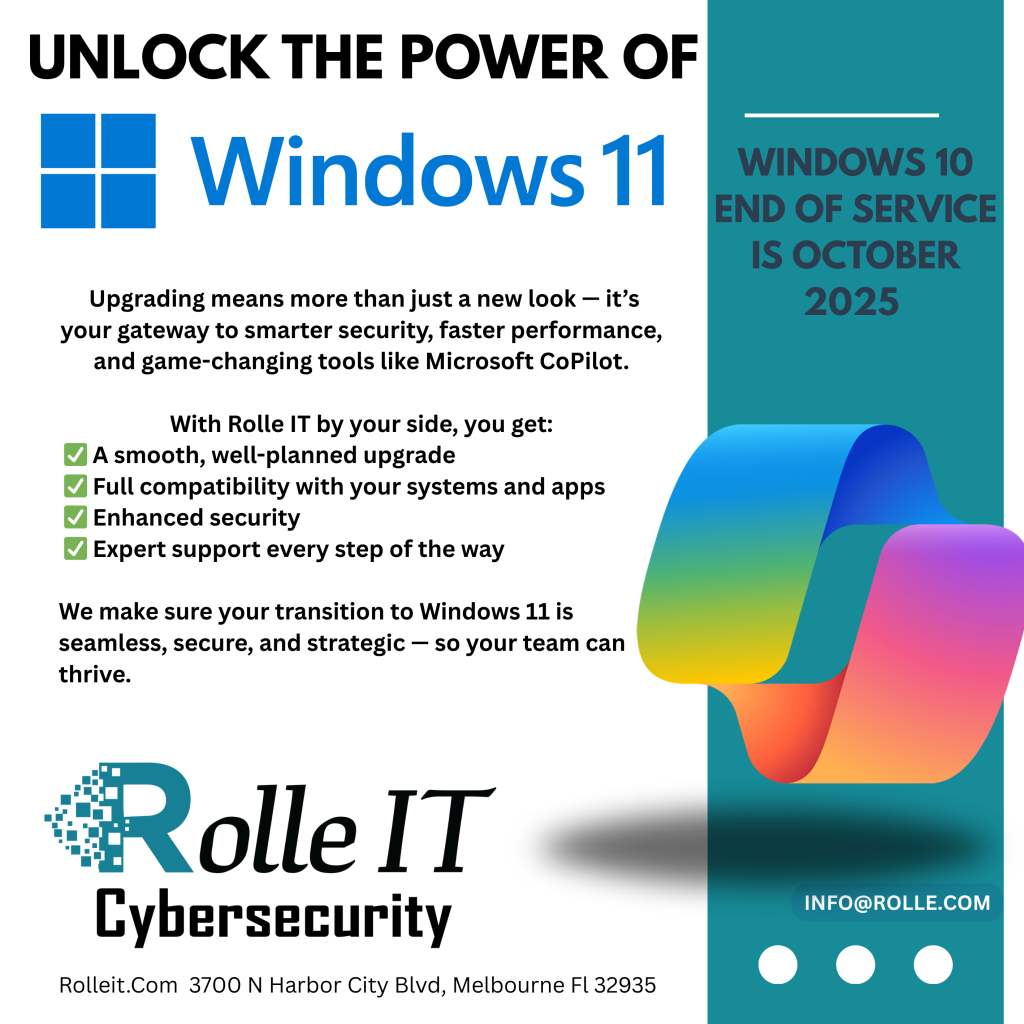
Upgrading to Windows 11 Is Essential for Modern Businesses

As Microsoft continues to phase out legacy systems, upgrading to Windows 11 is no longer a “nice-to-have” — it’s a business imperative. Whether you’re running critical applications or simply seeking to protect your organization’s digital assets, here are key reasons why making the switch to Windows 11 matters.


🔒 1. Enhanced Security by Design

Windows 11 was built with zero trust security principles at its core. It requires TPM 2.0 (Trusted Platform Module), Secure Boot, and hardware-based isolation to help reduce firmware-level attacks.

According to Microsoft, 60% fewer security incidents were reported on Windows 11 devices compared to Windows 10 in enterprise environments.
Source: Microsoft Security Blog, 2023


⚡ 2. Performance and Efficiency Gains

Windows 11 introduces improvements in memory management, disk usage, and battery efficiency. It’s optimized for hybrid work with features like Snap Layouts, DirectStorage, and better support for virtual desktops.

Windows 11 boots 30% faster and reduces background activity compared to Windows 10, according to Microsoft’s own performance benchmarks.
Source: Microsoft Learn


📆 3. End of Support for Windows 10 Is Coming

Microsoft announced October 14, 2025 as the end of support date for Windows 10. After this, no more security updates or technical support will be available.

Failing to upgrade leaves your systems vulnerable to cyber threats and may result in non-compliance with data protection standards.
Source: Microsoft Lifecycle Policy


🧠 4. AI and CoPilot Readiness

Windows 11 is optimized for AI-driven features, including Microsoft’s CoPilot integration, which enhances productivity, automates tasks, and improves decision-making.

Only Windows 11 supports the next-generation AI experiences baked into Microsoft 365 apps — making it critical for businesses investing in future-forward technologies.
Source: Microsoft Ignite 2023 Keynote


✅ Upgrading with a experienced Firm

Upgrading to Windows 11 isn’t just a technical decision — it’s a strategic move. With better security, performance, and AI capabilities, Windows 11 enables businesses to work smarter, safer, and faster. Windows 11 isn’t just an operating system upgrade — it’s a gateway to enhanced security, better productivity, and future-ready technology. But while the benefits are clear, the path to Windows 11 isn’t always simple. Upgrading without expert support can expose your organization to unnecessary risks, downtime, and compatibility issues.

Let’s explore why upgrading to Windows 11 matters — and why partnering with an experienced IT firm like Rolle IT is critical.


🔧 Upgrading Isn’t Always Plug-and-Play

Despite Windows 11 being built for modern computing, hardware requirements and software compatibility checks make upgrading a challenge for many organizations:

  • TPM 2.0, Secure Boot, and a supported CPU are mandatory — disqualifying many older machines.
  • Custom or legacy applications may not work reliably, especially in highly regulated or technical industries.
  • Licensing and configuration of Group Policies, BitLocker, and endpoint protections must be re-evaluated.
  • Upgrades in a hybrid or domain environment (like Azure AD or Active Directory) require careful planning.

A Gartner study found that 40% of organizations faced delays or complications in Windows 11 adoption due to incompatible hardware or legacy systems.
Source: Gartner, 2023


🤝 Why an Experienced IT Firm Matters

A seasoned Managed Services Provider (MSP) like Rolle IT ensures your upgrade is smooth, secure, and tailored to your business environment. Here’s how:

1. Pre-Deployment Assessment

We evaluate your hardware, applications, licensing, and user needs to determine upgrade readiness and avoid surprises.

2. Compatibility Planning

We identify applications, drivers, or legacy systems that may need updates or replacements — and implement workarounds where needed.

3. Staged Rollouts & Downtime Mitigation

Rolling out upgrades in stages reduces business disruption. We provide rollback options, system backups, and contingency planning.

4. Security Optimization

We ensure TPM, Secure Boot, BitLocker, and Microsoft Defender for Endpoint are configured correctly — not just activated.

5. Post-Migration Support

From user training on new features like Snap Layouts and CoPilot, to 24/7 helpdesk coverage, we make sure your team stays productive.

According to TechRepublic, “Businesses that partner with MSPs report 65% faster adoption and 30% fewer IT support incidents after a major OS migration.”
Source: TechRepublic, 2023


🏁 Conclusion: Don’t Go It Alone

Upgrading to Windows 11 unlocks a new era of security, performance, and intelligent tools — but the transition must be carefully managed. Choosing a proven IT partner ensures:

  • Full compliance with Microsoft’s evolving standards
  • Minimal disruption to your business
  • Long-term support and optimization

Rolle IT brings years of experience in managing OS transitions across industries. We don’t just upgrade — we future-proof your IT. [email protected]

End of Support for Windows 10 Read More »

Supercharge Your Business with AI: Integrate Co-Pilot Seamlessly

Unlock the Power of AI-Driven Productivity

At Rolle IT, we specialize in transformations and streamlining IT processes. Integrating Microsoft Co-Pilot into your existing business systems is one of the biggest upgrades to user experience a company can make — helping you transform daily operations with intelligent, real-time assistance. Whether you’re using Microsoft 365, Dynamics, Teams, or custom enterprise platforms, our tailored solutions ensure Co-Pilot becomes an integral part of your workflows.

Why Integrate Co-Pilot?

  • Boost Efficiency: Automate repetitive tasks, generate documents, and summarize conversations instantly.
  • Make Smarter Decisions: Co-Pilot turns your data into actionable insights with natural language queries and visual reports.
  • Enhance Collaboration: Empower your teams with AI-enhanced communication and content creation tools.
  • Streamline Workflows: Integrate Co-Pilot with ERP, CRM, HR, or other line-of-business systems for seamless automation.

A Game-Changer for Small Businesses

Running lean doesn’t mean running slow. For small businesses, Co-Pilot is like hiring a team of virtual employees—without the overhead. From drafting emails and proposals to analyzing sales reports and managing calendars, Co-Pilot enables your team to do more with less, maximizing productivity and accelerating growth. It’s not just software—it’s a scalable digital teammate that grows with your business.

What We Offer

  • Custom Integration Services: We connect Co-Pilot to your unique systems, whether cloud-based, hybrid, or on-prem.
  • Security & Compliance: Ensure AI access respects your data governance and industry standards.
  • Training & Support: We guide your team on how to get the most out of Co-Pilot with tailored onboarding and support.

Who Is This For?

From startups and small enterprises to Fortune 500 companies, any organization looking to scale, innovate, and reduce manual workloads can benefit. Whether you’re in finance, healthcare, logistics, or legal, our solutions are industry-adapted and enterprise-ready.


Let AI Work With You.

📩 Schedule a demo today and discover how Co-Pilot can revolutionize your workplace. Your next level of productivity starts here.

Supercharge Your Business with AI: Integrate Co-Pilot Seamlessly Read More »

Insider Threats and MSSPs: Protecting Your Organization from Within

Rolle IT provides MSSP Services to the Defense Industrial Base and Beyond.

In today’s rapidly evolving cybersecurity landscape, the focus is often placed on external threats—hackers, phishing attacks, and malicious software. However, one of the most dangerous and insidious risks to an organization is the insider threat. These threats can come from employees, contractors, or business partners who have legitimate access to company systems and data.

Understanding insider threats and how Managed Security Service Providers (MSSPs) like Rolle IT can help defend against them is crucial for safeguarding your organization. This blog explores the nature of insider threats and how partnering with an MSSP can offer a comprehensive approach to protection.

What Are Insider Threats?

Insider threats refer to security risks originating from individuals within an organization who misuse their access to harm the company. These threats can be classified into three categories:

  1. Malicious Insiders: These individuals intentionally seek to cause harm. Their motivations may vary, from financial gain to revenge or even ideological reasons.
  2. Negligent Insiders: This group includes employees who, through lack of training, carelessness, or lack of awareness, inadvertently compromise security. Examples include clicking on phishing emails or mishandling sensitive data.
  3. Compromised Insiders: These are individuals whose accounts or credentials are taken over by external actors. The threat may not be from the insider themselves but from a malicious external entity using the insider’s privileges.

Regardless of the category, insider threats pose a significant risk, often because these individuals have access to sensitive systems and data that external attackers might find difficult to reach.

The Risks of Insider Threats

The dangers posed by insider threats are real and tangible:

  • Data Breaches: Malicious insiders can steal or leak sensitive information such as financial records, trade secrets, and customer data.
  • Intellectual Property Theft: Employees or contractors who leave an organization may take valuable intellectual property with them, potentially enabling competitors to gain a strategic advantage.
  • Operational Disruption: Insiders may intentionally or unintentionally cause operational failures, either through sabotage or through negligence (e.g., misconfiguring critical systems).
  • Financial Loss: The fallout from insider threats can result in costly legal fees, regulatory fines, and damage to reputation, all of which contribute to significant financial losses.

How MSSPs Help Protect Against Insider Threats

Managed Security Service Providers (MSSPs) like Rolle IT Cybersecurity play a critical role in defending organizations against insider threats. They offer a suite of cybersecurity services that can help detect, mitigate, and respond to these threats effectively. Here’s how MSSPs assist in this regard:

1. Continuous Monitoring and Threat Detection

Rolle IT Cybersecurity provides round-the-clock monitoring of your systems and networks. Using sophisticated tools and technologies, such as Security Information and Event Management (SIEM) systems, to detect unusual activity that may indicate an insider threat. This could include:

  • Accessing files or systems outside of normal work hours
  • An employee downloading large volumes of sensitive data
  • Sudden changes in user behavior or system configurations

By catching suspicious activities early, Rolle IT’s MSSP teams can help mitigate the damage before it escalates into a full-blown incident.

2. User Behavior Analytics (UBA)

Rolle IT’s MSSP teams implement User Behavior Analytics (UBA) to monitor and analyze employees’ actions across networks and systems. UBA uses machine learning algorithms to detect deviations from normal user behavior patterns, making it possible to identify both malicious and negligent insider threats. This enables Rolle IT to spot threats that may not trigger traditional security alerts but could indicate a breach in progress.

3. Access Control and Privilege Management

Managing user access and privileges is crucial to reducing the risk of insider threats. MSSPs help implement strong identity and access management (IAM) policies, ensuring that employees and contractors only have access to the data and systems necessary for their role. They also implement least privilege principles, meaning that users are granted the minimum level of access required for them to perform their tasks.

Rolle IT’s MSSP teams also deploy multi-factor authentication (MFA) and other advanced security mechanisms to protect sensitive information from unauthorized access, even if an insider’s credentials are compromised.

4. Incident Response and Forensics

In the unfortunate event of an insider threat incident, Rolle IT is equipped with an expert incident response team that can rapidly investigate and respond to the breach. They conduct thorough forensic analysis to trace the source and nature of the attack, understand how the threat evolved, and implement measures to prevent future incidents.

This swift response is critical to minimizing the damage, securing systems, and maintaining business continuity. By managing the investigation and response, MSSPs help limit the impact on your organization’s reputation and finances.

5. Employee Training and Awareness

Negligent insiders are a significant threat, but they are often the result of a lack of security awareness. Rolle IT’s Cybersecurity experts assist in developing and delivering cybersecurity training programs to help employees recognize potential threats, such as phishing scams, suspicious links, and best practices for handling sensitive information.

Regular training ensures that employees understand the risks and know how to take action to mitigate potential threats. By fostering a culture of security awareness, MSSPs help reduce the likelihood of negligence and improve overall organizational security posture.

6. Compliance and Regulatory Assistance

Many industries are subject to strict data protection regulations, such as GDPR, HIPAA, and PCI DSS. An insider breach can have severe legal and financial repercussions for non-compliance. Rolle IT helps ensure that your organization adheres to these regulations by maintaining audit logs, implementing proper data handling procedures, and providing documentation needed for compliance audits.

Conclusion

While external threats will always be a part of the cybersecurity landscape, insider threats should not be underestimated. Whether caused by malicious intent, negligence, or compromised credentials, these threats can have devastating consequences for an organization’s security, finances, and reputation.

Partnering with an MSSP like Rolle IT Cybersecurity provides a proactive and comprehensive approach to insider threat protection. Through continuous monitoring, user behavior analytics, access control, incident response, training, and regulatory compliance, Rolle IT Cybersecurity offers the expertise and tools necessary to safeguard your organization from the inside out.

By staying vigilant and working with trusted cybersecurity partners, you can reduce the risks posed by insider threats and ensure the ongoing protection of your sensitive data and systems.

Insider Threats and MSSPs: Protecting Your Organization from Within Read More »

Rolle IT Receives Innovation of Valor Award

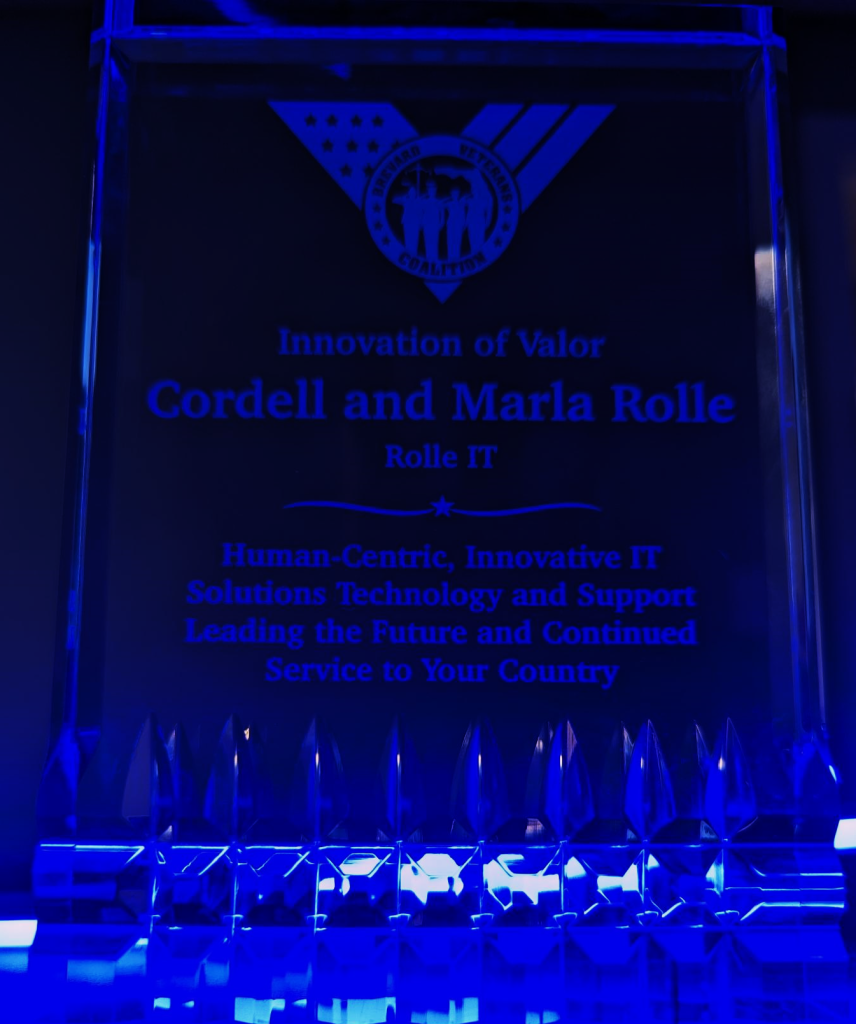
Rolle IT is grateful and honored to receive the Innovation of Valor award from the Brevard Veterans Coalition! Rolle IT is proud to be home to many Veterans, military families, and patriots.

Thank you to the Brevard Veterans Coalition for their dedication to serving the Veterans of Brevard County and their families through mentorship, assistance, and community-building. Learn more at https://lnkd.in/eFUKYkcf

#valor#innovation#Brevard#veteran#Spacecoast#Techfirm#award

Rolle IT Receives Innovation of Valor Award Read More »

Safeguarding Your Digital Fortress: A Guide to Protecting Your Personal Data.

In an era where technology permeates every aspect of our lives, the protection of personal data has become a paramount concern. As an IT company committed to digital security, Rolle IT understands the significance of safeguarding your digital identity. In this blog post, we’ll share essential tips and best practices to help you fortify your digital fortress and ensure the security of your personal data.

  1. Use Strong, Unique Passwords: The foundation of digital security starts with robust passwords. Create unique passwords for each of your accounts, incorporating a mix of uppercase and lowercase letters, numbers, and special characters. Regularly update your passwords to minimize the risk of unauthorized access.
  2. Enable Two-Factor Authentication (2FA): Two-factor authentication adds an extra layer of security by requiring a second form of verification in addition to your password. Whether it’s through a text message, email, or authenticator app, 2FA significantly reduces the chances of unauthorized access, even if your password is compromised.
  3. Regularly Update Your Software: Outdated software is a common entry point for cyber threats. Ensure that your operating system, antivirus software, and all applications are regularly updated. Software updates often include security patches that address vulnerabilities, making it harder for cybercriminals to exploit weaknesses.
  4. Be Cautious of Phishing Attempts: Phishing attacks are a prevalent method used by cybercriminals to trick individuals into revealing sensitive information. Be skeptical of unexpected emails, messages, or links. Verify the legitimacy of communication before clicking on links or providing any personal information.
  5. Encrypt Your Data: Encrypting your data adds an additional layer of protection, making it unreadable without the appropriate decryption key. Utilize encryption tools for sensitive files and consider using encrypted communication channels, especially when sharing confidential information.
  6. Review App Permissions: Be mindful of the permissions granted to apps on your devices. Some apps request access to more information than necessary. Regularly review and update these permissions to limit the data exposure in case of a security breach.
  7. Secure Your Wi-Fi Network: A secure Wi-Fi network is crucial for protecting your personal data at home. Use a strong, unique password for your Wi-Fi, enable WPA3 encryption, and change the default username and password on your router to prevent unauthorized access.
  8. Back Up Your Data: Regularly back up your important data to an external drive or a secure cloud service. In the event of a data breach or loss, having backups ensures that you can quickly recover your information without succumbing to ransom demands.
  9. Educate Yourself on Cybersecurity: Stay informed about the latest cybersecurity threats and best practices. Knowledge is a powerful tool in defending against digital threats. Follow reputable cybersecurity blogs, attend webinars, and invest time in learning about emerging threats.

Protecting your personal data requires a proactive approach and a combination of technical measures and user awareness. By implementing these best practices, you can significantly reduce the risk of falling victim to cyber threats and enjoy a more secure digital experience. At Rolle IT, we are committed to empowering individuals with the knowledge and tools needed to navigate the digital landscape securely. Stay safe, stay secure!

Safeguarding Your Digital Fortress: A Guide to Protecting Your Personal Data. Read More »

Cybersecurity Workshop July & August 2023

Cybersecurity Workshop- Cocoa Beach Regional Chamber of Commerce (cocoabeachchamber.com)

Cocoa Beach Regional Chamber, Rolle IT and Alliance Cyber Present:

4 Part Cybersecurity Training Series

This is a 4-part series covering the topic of Cybersecurity

  • Earn a Certificate of Annual Awareness Training
  • Learn how to protect yourself and your business against cyber threats.
  • Find out if your business is compliant.

7.17.23 Cyber Threats and Bad Actors Passwords
7.24.23 Passwords, Physical, and Mobile Security
7.31.23 Social Media and Online Security
8.07.23 Compliance

Join us for the entire series or just take single session.

$100 4-Part Workshop

$50 Single Session

Economic Development Commission of Florida’s Space Coast

6525 3rd Street, Suite 304, Rockledge, FL, 32955, United States

 
Instruction led by industry experts Alec Hall with Alliance Cyber and Cordell Rolle with Rolle IT

Cybersecurity Workshop July & August 2023 Read More »